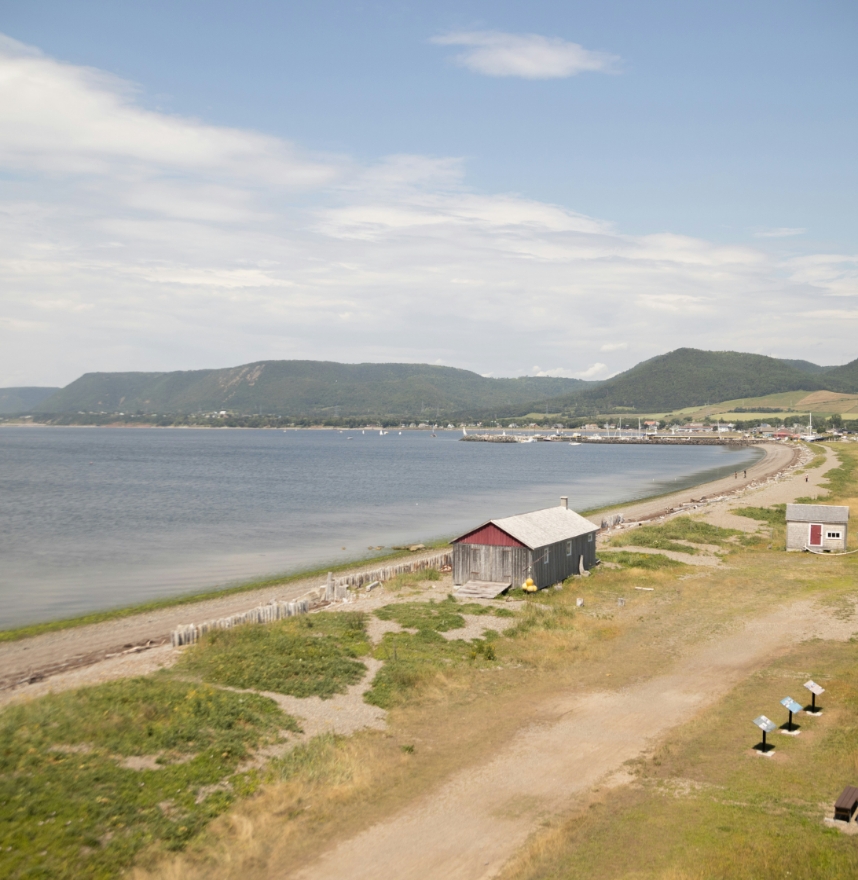
Regional associations work with local partners to meet community needs, while contributing to a shared national strategy and governance framework.
A regional network at the heart of a national vision
CIOOS consists of three founding regions: CIOOS Pacific, the St. Lawrence Global Observatory and CIOOS Atlantic. Each region responds to community needs by developing specific tools and providing tailored benefits.
However, all adhere to the national strategy and regional representation within national governance. Each regional association works cooperatively with local partners to inquire about the availability of their data, analyse the maturity of data management processes, and understand their data needs. The strategic objectives of the regional associations are closely linked to the needs of their local communities and, in turn, have an impact on the national strategic direction of CIOOS.
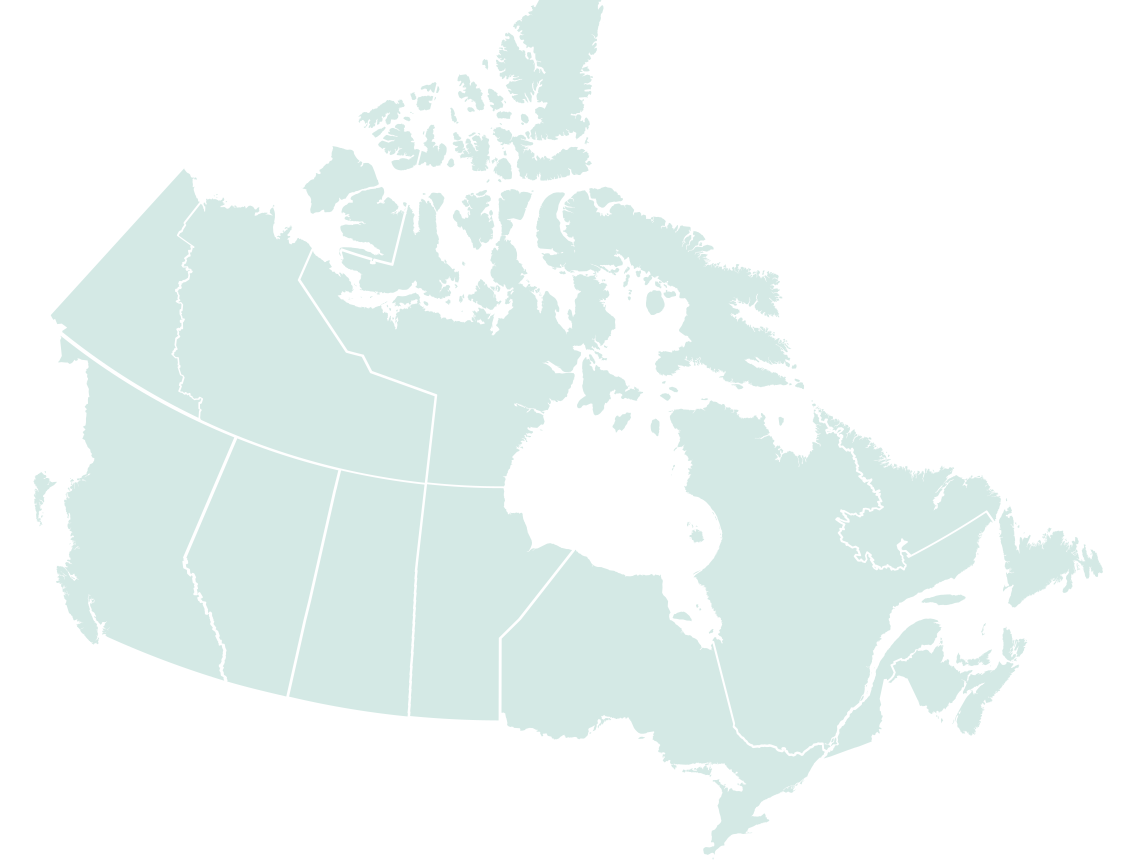
St. Lawrence Global Observatory
CIOOS Atlantic
CIOOS Pacific
CIOOS Founding Regions
CIOOS Pacific
CIOOS Pacific integrates data from Canada’s west coast, from Dixon Entrance to the Strait of Juan de Fuca.
St. Lawrence Global Observatory
SLGO integrates data from the St. Lawrence, from the Great Lakes to the Gulf.
CIOOS Atlantic
CIOOS Atlantic integrates data from Canada’s east coast, from Labrador to Bay of Fundy.
CIOOS National Collaborations
Amundsen Science
CIOOS collaborates with Amundsen Science, which operates its own catalogue built on the CIOOS framework to ensure interoperability and discoverability in the ocean data space.
DataStream
CIOOS collaborates with DataStream by harvesting datastream metadata and enabling discovery via the CIOOS Catalogue, reflecting the role of freshwater systems in shaping coastal and ocean environments.
Tools for exploring, understanding and sharing the oceans
CIOOS provides digital tools for exploring, visualising and analysing Canada’s ocean data. These platforms promote access to information, scientific collaboration and understanding of the state of the oceans.